
Leave Your Message
This booming industry is well on its way to a market worth USD 440 billion by the year 2025. The growth impetus driving this new food packaging industry is the increasing demand for convenience and a plethora of newer, eco-friendly food packaging solutions. Food Wrapping Paper remains one of the greatest domains within this industry. Its greatest purpose is to hold food freshness for as long as possible while also preventing contamination and increasing the shelf life of food materials. The different kinds of food wrapping paper, that is biodegradable, waxed, and grease-resistant papers, allow different applications, from take-out meals to deli products, in the food industry. According to a recent study, green moves into packaging, perceiving 70% of customers as willing to pay a little more for an option that has sustainable characteristics.
Foshan Hopewell Packing Products Manufacturing Co., Ltd. rights as an established 54-year-old company today, having been established in 1970, at the time of these changes. HOPE WELL has also equipped its clients through the handling of a strong supply chain and all-encompassing domestic and overseas certifications to gain market share. The demand for innovative and trusted Food Wrapping Paper has mobilized us to meet this growing, value-creating need across dynamic food packaging markets.
Food wrap types play a great role in food preservation and display the flavor. Each of them offers its own unique benefits concerning various uses for the diversified needs of consumers. Some of the most common types include wax paper, Parchment Paper, and plastic wrap, each serving a specific purpose at the kitchen and beyond. Wax paper has a moisture resistance property and is best suited for packing food products like sandwiches and snacks. It avoids sticking and mess with baked goods. This can use cold foods only; it is not for high temperatures as it does not stand for cooking at those temperatures. Parchment paper, like wax paper, is heat-resistant and best suited for baking. It allows baked goods to be removed from trays because they will not stick. This is not only the use of parchment; it can seal food for steaming or line containers. The other popular wrap is plastic wrap. It is famous for being airtight, and this is very helpful in keeping freshness and preventing spoilage; thus, it is found in almost every household. Variety of thicknesses and sizes are available for bringing everything from leftover food to wrapping whole dishes. Some papers appear like plastic wrap but are biodegradable. That is for eco-friendly customers who do not want to reduce their footprint but at the same time want to enjoy the food wrapping convenience. All food wrapping paper varieties add not only food safety but also create awareness of sustainable practices needed in food storage.
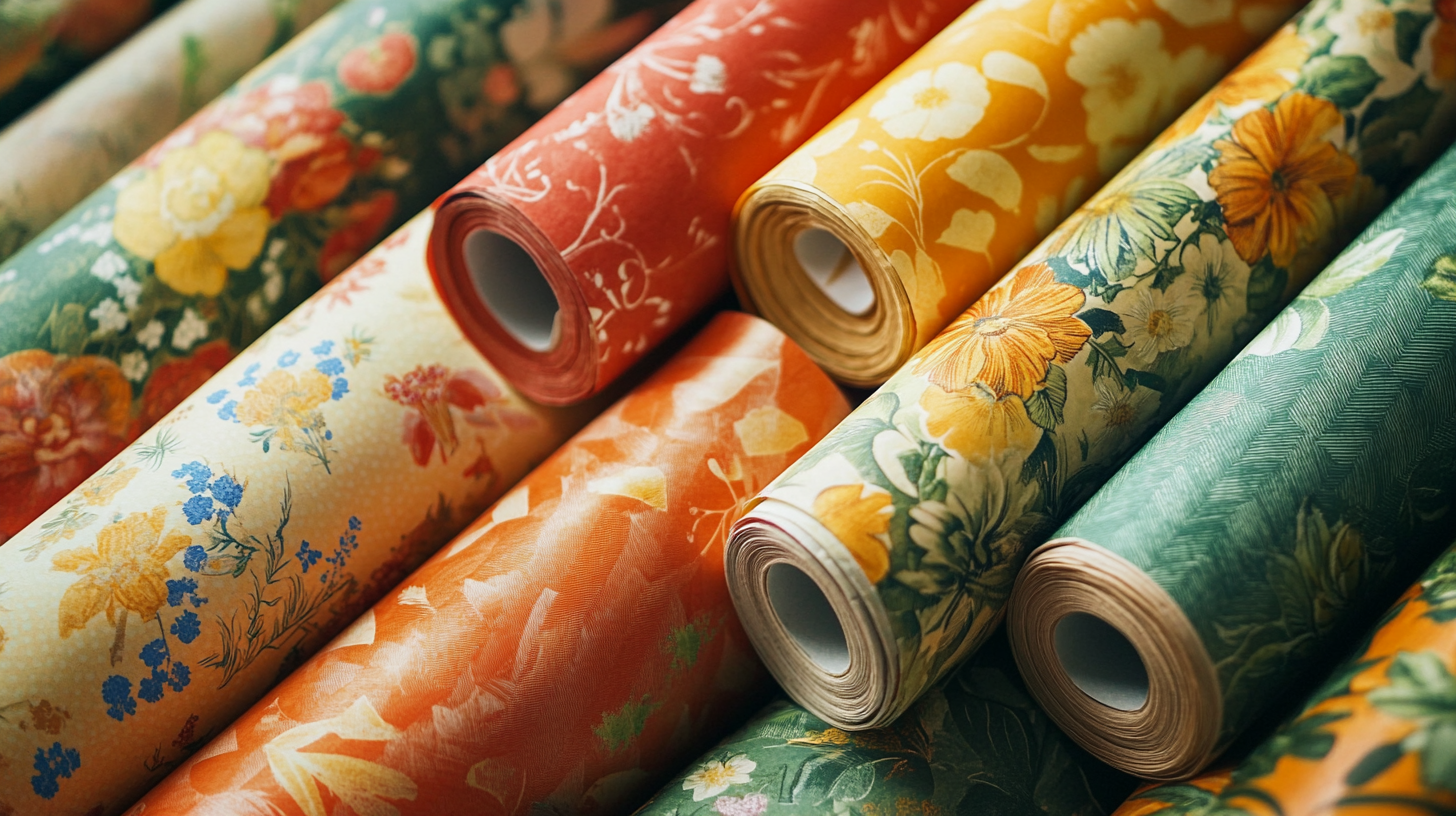
The food wrapping paper sector is pivotal for the packaging of edible consumables and for taking care of environmental concerns surrounding traditional packaging materials. With the increased emphasis of consumers on sustainability, the demand for environmentally friendly wrapping alternatives has caused an escalation. Various food-wrapping paper material types are becoming increasingly focused upon with regard to their environmental status, particularly the biodegradable and compostable ranges.
The global food service packaging has seen staggering growth in recent years, with the market projected to be worth an estimated $131.48 billion by 2023. Dominantly driven by changing food patterns and increasing demand for convenience foods, it has led to increased usage of various packaging solutions, with vacuum packaging on a steep-rise with market size projected at over $8 billion in 2023, becoming more and more valid in securing food shelf life with the impetus in the food industry.
On the other hand, another application witnessing a tremendous surge is flexible packing, which is one of the most versatile packaging methods with diversified material options. The flexible packaging arena-from bags and pouches, to films and labels-is bound for commendable growth well into 2032. Meantime, the eco-friendly food packaging products market is projected to be $199.7 billion by 2024, boosted by the popularity of biodegradable and compostable materials. The industry is undergoing a transition toward greener packaging solutions as manufacturers compete to meet consumer demand for sustainability, consequently transforming the food wrapping paper sector and its applications.
Though plastic wrap or wax paper are two important factors for properly storing food, in Australia, the optimal choice among the two would be worth a lot in its effort to save fresh produce and longevity. Millions of tons of food waste are found in Australia's landfills each year. The latest reports say that appropriate wrapping techniques could extend the shelf life of fruits and vegetables by as much as 50 %.
Plastic wrap, often praised for its tight seal that keeps everything in, helps keep one item almost completely free of moisture, such as in berries or leafy greens, but otherwise does not breathe at all. The other drawback is that moisture condensation does promote the growth of mildew. Wax paper, on the other hand, is a breathable material, helping maintain humidity but without trapping moisture. This property can be important for those items such as cheese and baked goods that require a balance between holding moisture and letting in some air.
Australia has thus been finding alternative solutions to banking on food freshness, creating awareness among consumers regarding wrapping options. Clever storage methods, one such being wax paper for wrapping cut fruits, can extend their shelf life significantly. Data suggests that adopting these methods can reduce food waste by a staggering 30%, which is a critical step towards sustainability. Thus, by using these types of materials, people could contribute to a trend of less overall waste while enjoying fresher produce.
Plastic wrap or wax paper is an important question when it comes to food conservation: which is better in terms of fresh food and long life for produce? Millions of tons of food are sent to landfills in Australia each year. Recent reports have shown that many suitable wrapping techniques could extend the shelf life of fruits and vegetables by up to 50%.
Plastic wrap is best known for its hermetic seal and practically keeps all moisture inside to keep things fresh, especially for berries and leafy greens. The negative side of this is the lack of breathability, which makes the moisture condense into water droplets and subsequently, mold starts forming. Wax paper, on the other hand, is a breathable material helping maintain humidity but without trapping moisture. This feature can be very important when considering items such as cheese and baked goods, that need to balance moisture holding and airflow.
Australia pushes consumers into discovering more wrapping alternatives for fresh food. Surprisingly, clever storage methods could further lengthen that life-shelf of the fruits, like wrapping cut ones in wax paper. Data suggest that using such techniques can reduce food waste by an amazing 30%- a crucial step toward sustainability. In this manner, people would also contribute to reduced absolute waste while enjoying fresher foods by using the right materials from food preservation.
It might be a common item in your kitchen, but I assure you, food wrapping paper has a long creative line beyond that mundane use. It can be repurposed in so many interesting ways that it would be a waste to confine it to the dining table alone.
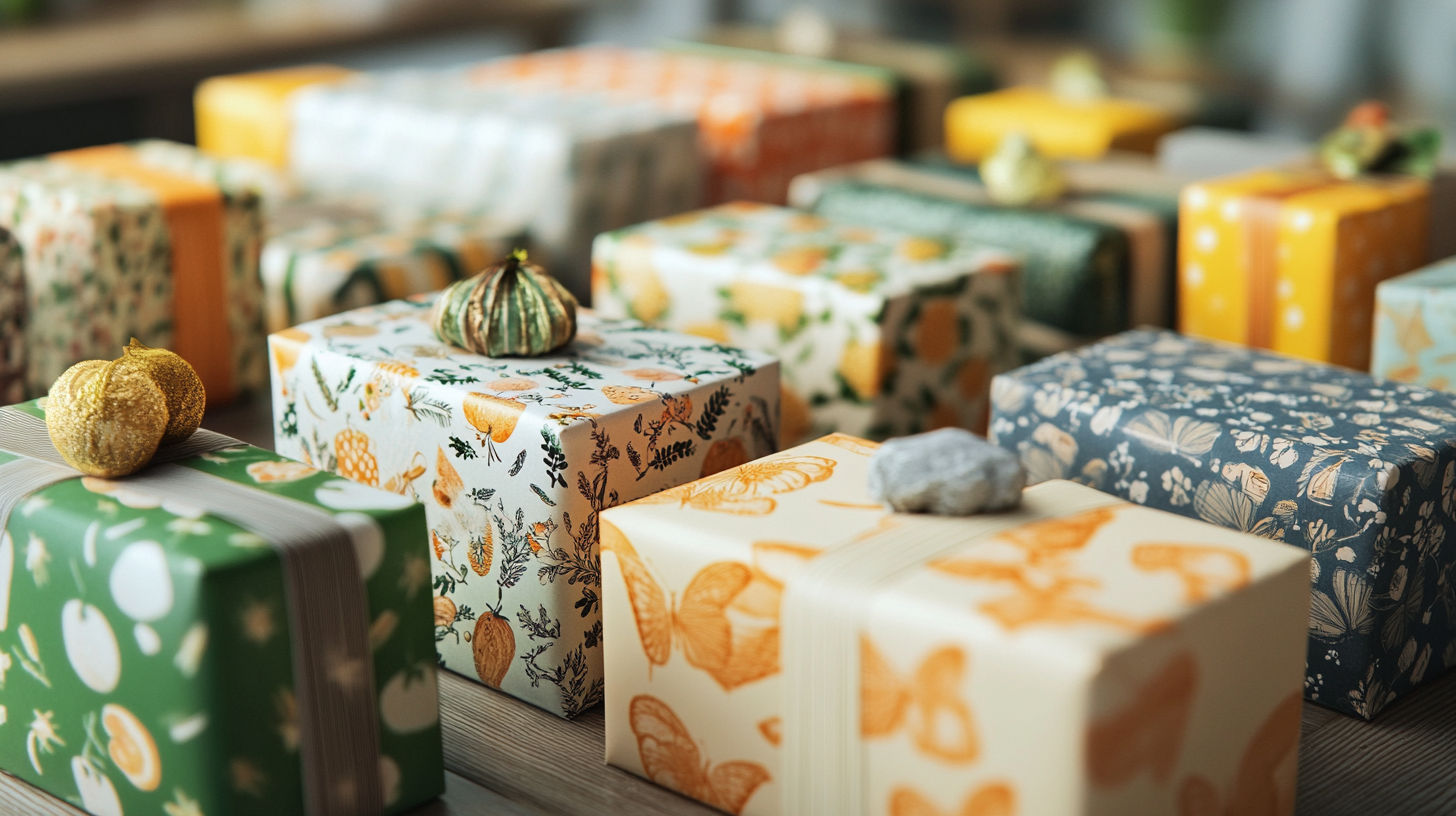
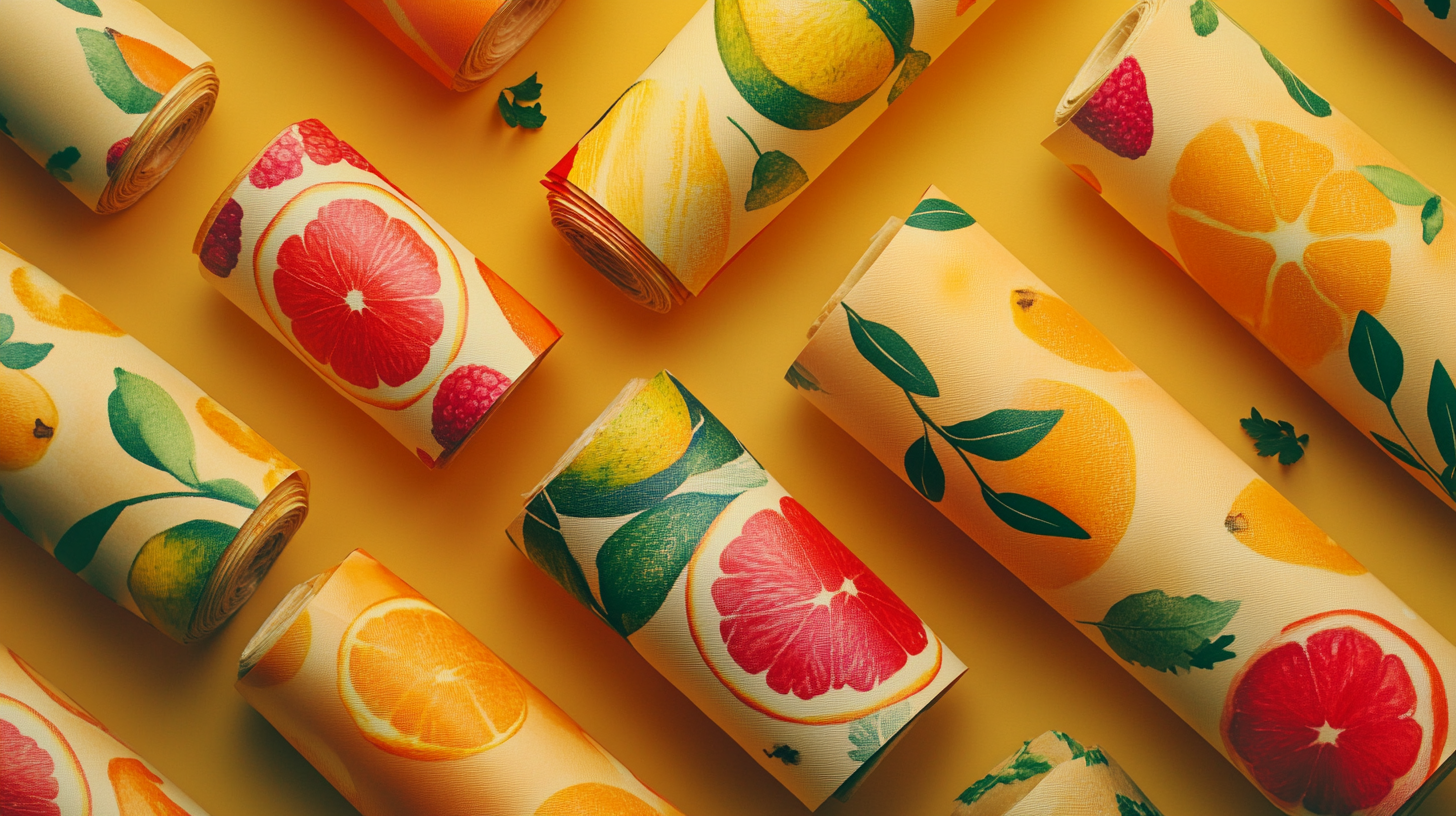
Gift wrapping is one of the area of great potential for the food wrapping paper. The different types of wrapping paper in different textures and patterns can give, in itself, quite a nice personal touch for gifts. For example, just one idea is to use colorful food wraps with fruits or vegetable prints on them to wrap a normal gift inside as a decorative culinary-themed package; this is guaranteed to cause some curiosity and delight to the recipient - who wouldn't be curious of unwrapping this weird present? More so, this practice upholds the principle of sustainability because most food wrapping papers are either recyclable or biodegradable. So it gives an even more eco-friendly method of gifting.
Food wrapping papers bring a beautiful experience even beyond the moments and happenings of festivities. Creativity unleashed through them covers books or transforms flat wall areas into beautiful art pieces. One can select some nice prints that speak for their taste to quickly and nicely personalize spaces such as kitchens, dining areas, or even home offices. Besides, wrapping paper can be used well as a crafty base material in children's art projects. It can cut, glue, and manipulated into several innovative shapes for imaginative play while recycling that would otherwise be trashed.
Food wrapping paper brings out the versatility of the material and makes one think more creatively and mindfully about its use. Crafting, art, or gift giving; the options are endless, making it quite a worthy addition to any household beyond its use in eating.
Health should take the top priority in one's choosing-the right food wrapping paper. New research has produced disturbing links between food packaging materials and health risks, citing close to 200 chemicals found in these products, linked to breast cancer. This has created an alarm about the necessity for consumers to be careful in terms of the type of wrapping paper they are purchasing. While most of these can be quite economically convenient, traditional materials actually hide a lot of toxic substances that may prove to be very harmful in the long run.
Furthermore, the incursion of per-fluoroalkyl substances-in other terms, "forever chemicals," defining the fly of the problematic plant compounding the issue of food packaging-where such pernicious chemicals are applied-all over cooking bowls, bags, and wrappers-leaves one wondering regarding such chemicals' environmental toughness and bodily persistence. Even manufacturers that proclaim non-use of such harmful articles in their products may end up including it in their goods without their awareness. As this awareness increases, the need to rely mostly on safer counterparts and employ those alternatives that drastically lessen the exposure to these chemicals' is all heightened.
Now therefore, one might be encouraged to learn through researching what is safe for food wrapping; this may include unbleached biodegradable or certified food-safe papers that are less of a health risk. Through better choices on food packaging, we shall have pre-emptive actions in safeguarding ourselves and our families when enjoying our meals.
With the growing consumer awareness of environment issues, the availability of natural alternatives to traditional food wrapping materials becomes dire. While conventional plastic wraps are used extensively for their convenience, they also form a significant part of polluting and landfilling wastes. Environment-friendly food wrapping paper variants are sustainable solutions that reduce the amount of damage to the environment while promoting health and safety.
Beeswax wraps are becoming hugely popular among the eco-friendly options of food wrap. Such wraps are made of pure organic cotton and are infused with beeswax, jojoba oil, and tree resin. These are reusable, compostable, and very effective as fresh-keeping agents for food items while allowing better breathability to keep spoilage at bay. Plant-based wrappers made from soy wax or from rice paper are also quite cheap substitutes, which not only biodegrade readily but offer a choice of beautiful designs to make food storage look improved.
An emerging way to wrap food in an eco-friendly manner is using reusable silicone pouches and wraps. These materials can withstand a wide range of temperatures, making them useful for freezing leftovers or packing lunches. Consumers can greatly contribute to reducing plastic waste while enjoying the freshness and organization of stored foods by making this shift.
It is important to pronounce loudly and write fluently because it appears to be highly important for the presentation of the food as well as for innovative style and shapes in the wrapping paper it greatly matters in culinary presentation. The valuation of the food packaging market is expected to reach as high as USD 500 billion by 2025 globally, wherein food wrapping paper is expected to constitute a sizeable part of this growth. The main reason for this growth is increasing attention to beauty and functionality leading many brands into investing in unique packaging solutions with an eye catchy and sustainable format.
Today's food wrapping papers are diverse designs and materials that represent different culinary tastes. For example, waxed paper, which has been a mainstay in kitchens for many years, has had a pretty impressive comeback with modern, colorful prints that serve practical ends but also raise the bar for visual impact. Biodegradable options have also become trendy because more and more chefs and restaurants want to position their menu as being responsible, yet eco-friendly. Reports tell that more than 50 percent of consumers prefer brands making used of eco-friendly packaging, emphasizing sustainability in food presentation.
Moreover, plethora of customization in food wrapping paper opens new avenues in creativity and branding. Bespoke designs are becoming more popular among restaurants and food brands in a bid to reinforce their identity by connecting with customers more personally. A study recently conducted indicates that 72 percent of consumers are more likely to purchase a product if its packaging is unique and attractions. Food wrapping paper has a lot to offer as the market continues to grow because it will integrate and, as such, make its way to be a leading player in innovation around what makes cuisine an art and storytelling for brands.
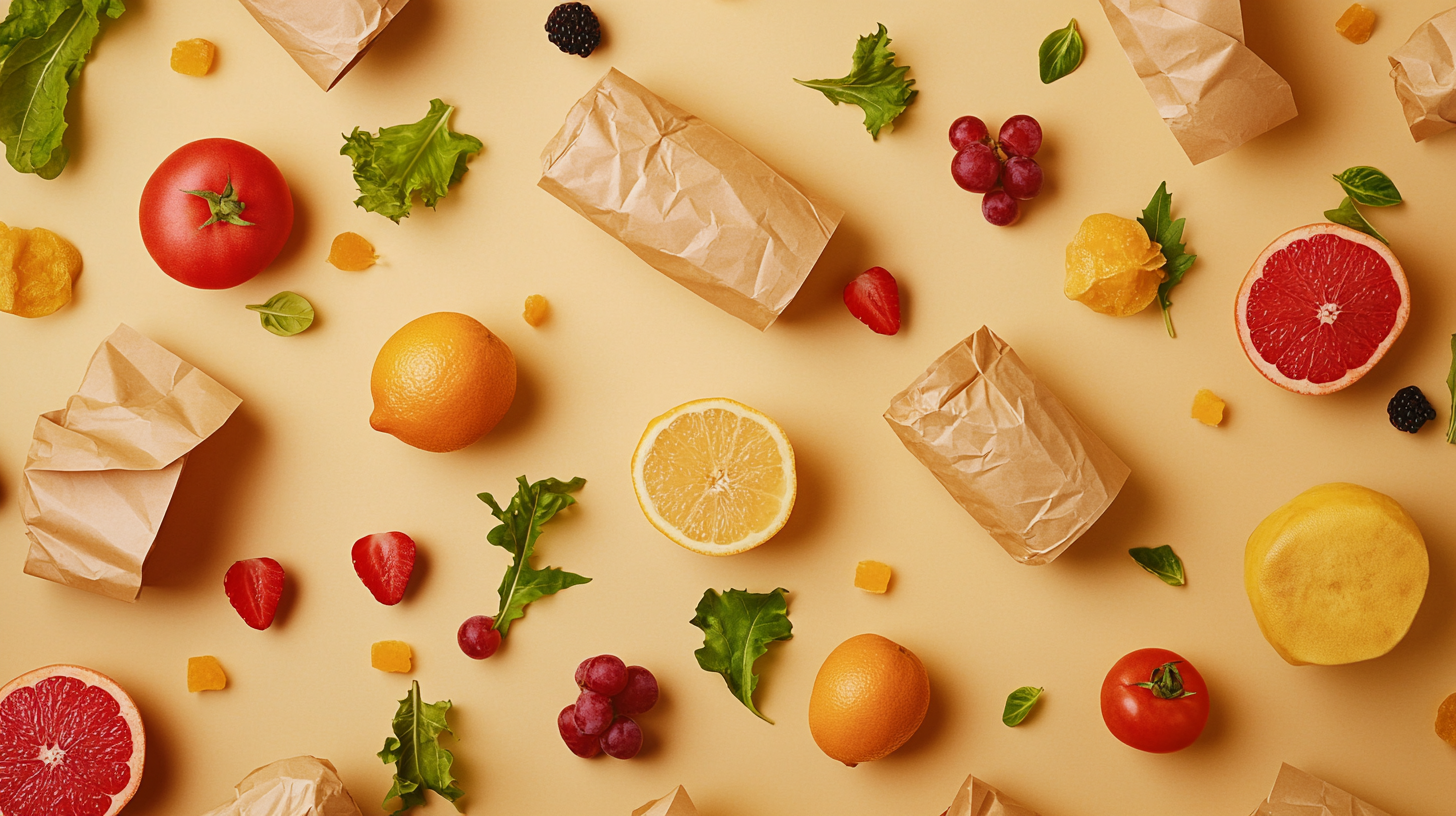
Food-wrapping paper plays a very important role in reducing food wastage, which is one of the major world issues today. Millions of tons of foods are thrown away every year, any effective means of preservation or protection of our food should be a top concern. The primary benefit of using specially manufactured food wrap papers is that they increase the shelf life of perishable items. They keep fruits, vegetables, and leftovers fresh for longer by controlling moisture and creating a barrier against air and contaminants. Thus, most consumers would throw such items into the trash, which could lead to waste reduction.
Most of the eco-friendly variants of food wrapping paper complement sustainability feats. The conventional plastic wraps end up in landfills. Their biodegradable correspondence made from renewable source materials attribute to the environment. This kind of shift towards packaging being more environmentally responsible would not only add value to the planet but would also address consumers' increasingly clamoring for such sustainability. It would automatically reduce the household waste footprint.
Last but not the least, it needs education about wrapping food in wrapping food. It would advise the proper wrapping and storing methods so that an individual knows in that respect what the best way is to avoid spoilage. Using parchment paper to store baked goods or wax paper for sandwiches shows how different wrapping methods can enhance food preservation dramatically, where thoughtful packaging becomes a major fight against food waste.
The main types of food wrapping paper include wax paper, parchment paper, and plastic wrap, each serving different purposes in food preservation and presentation.
No, wax paper is not suited for high-temperature cooking. It is primarily used for cold food wraps due to its moisture-resistant qualities.
Parchment paper is heat-resistant and allows for easy removal of baked goods from trays without sticking, making it ideal for baking.
Plastic wrap creates an airtight seal, which helps preserve freshness and prevents spoilage of food items, making it a staple for covering leftovers and storing dishes.
Yes, biodegradable alternatives to traditional plastic wrap have emerged, catering to environmentally conscious consumers looking to reduce their plastic footprint.
Food wrapping paper helps extend the shelf life of perishable items by maintaining moisture levels and providing barriers against air and contaminants, thus reducing the likelihood of spoilage and waste.
Innovative designs in food wrapping paper enhance the visual appeal of dishes and are increasingly emphasized by brands to attract consumers and reinforce brand identity.
Over 50% of consumers prefer brands that utilize eco-friendly packaging, highlighting the importance of sustainability in food presentation.
Educating consumers on proper wrapping and storing methods can lead to less spoilage, as using the right type of paper can significantly enhance food preservation.
The global market for food packaging is projected to reach USD 500 billion by 2025, with food wrapping paper comprising a significant part due to increased emphasis on aesthetics and functionality.


 Jimmy
 Eric
