You know, in the world of cooking and food prep, lots of folks are now looking for smarter, eco-friendly ways to store their leftovers and ingredients. One underrated hero in this area? Wax Paper Food wrapping. It’s pretty versatile — not just good at keeping things fresh and safe, but also a much better choice compared to plastic wraps that end up polluting our planet. Whether you’re just a home cook, a food lover, or someone trying to cut down on household waste, learning how to use wax paper properly can seriously level up your food storage game.
What’s cool about wax paper is that it lets food breathe a little while still stopping moisture from sneaking in or out. That makes it perfect for wrapping up sandwiches, cheese, or leftover veggies. But, I get it — the different techniques and tips can feel a little intimidating if you’re new to it. Don’t worry, though. In this article, I’ll share ten super helpful tips that’ll help you master wax Paper Wrapping so your food stays fresh, tastes great, and looks appealing. Plus, by doing so, you’re not just keeping your leftovers better — you’re also helping out the environment. Win-win, right?
Understanding Wax Paper: Composition and Properties for Food Safety
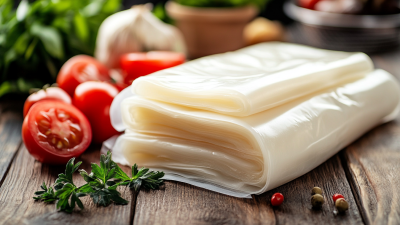
Wax paper, a product commonly used in kitchens, is made by coating ordinary paper with a thin layer of wax, which gives it its moisture-resistant properties. This composition allows for effective food wrapping, as it provides a barrier against moisture and air, thereby helping to preserve the freshness of food items. According to a report by the Food Packaging Forum, proper use of wax paper can significantly extend the shelf life of perishable goods by minimizing exposure to external elements that facilitate spoilage.
The properties of wax paper also include its ability to resist grease, making it ideal for wrapping foods that contain high-fat content. Research published in the Journal of Food Science illustrates that grease-proof materials like wax paper can protect foods such as cheeses and meats, preventing deterioration due to fat breakdown. Moreover, its non-stick surface prevents food from sticking during storage, ensuring that items can be easily unpacked without damage. Additionally, since wax paper is biodegradable, it presents a more environmentally friendly option compared to plastic wraps, aligning with the increasing consumer demand for sustainable food packaging solutions.
Wax Paper Food Wrapping Effectiveness
The Role of Wax Paper in Food Preservation: Key Benefits and Uses
Wax paper plays a significant role in food preservation, leveraging its unique properties to extend the freshness of various food items. One of its primary benefits is its moisture-resistant barrier, which helps maintain the ideal humidity levels around food, preventing it from drying out. This is particularly valuable for items like cheeses, fruits, and baked goods, which can quickly lose their appeal when exposed to air. By using wax paper to wrap these items, you create a protective layer that keeps them fresher for a more extended period.
In addition to moisture control, wax paper is also effective in reducing the transfer of odors between different foods. When you store a variety of items together in the refrigerator or a storage container, wax paper can help encapsulate each food's scent, ensuring that they remain distinct and enjoyable. This characteristic is especially beneficial when storing aromatic foods like herbs or marinated ingredients, as it prevents them from overwhelming milder items. Using wax paper not only enhances food preservation but also promotes a more organized refrigerator or pantry, keeping your culinary ingredients in top condition.
Optimal Techniques for Wrapping Foods with Wax Paper Effectively
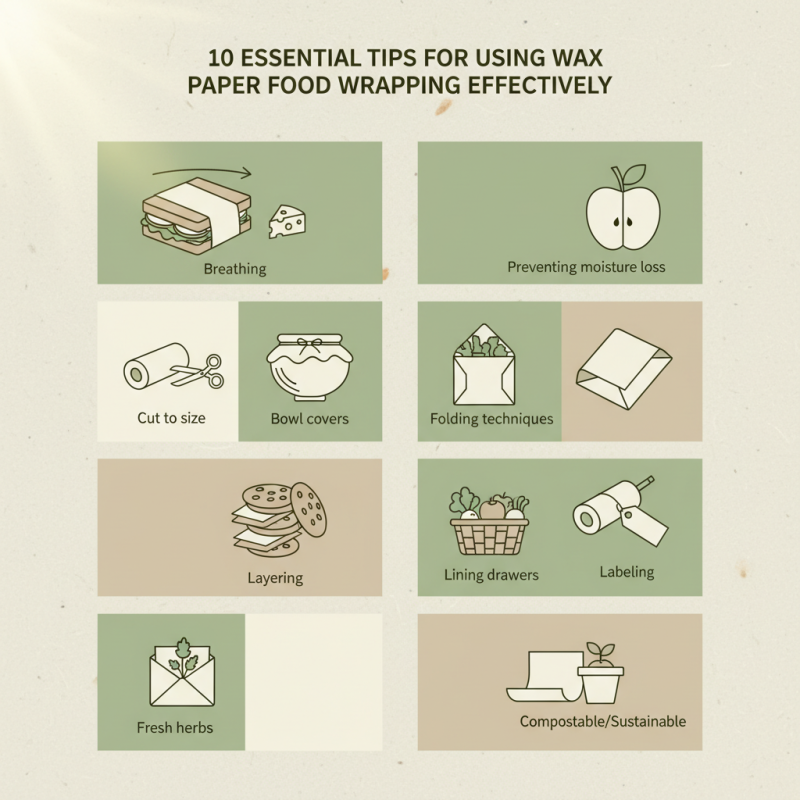
When it comes to food preservation, using wax paper is an effective and environmentally friendly method. According to a report by the Food Packaging Forum, wax paper is particularly great for items that require breathability, such as cheeses, fruits, and baked goods. This is because its breathable nature allows moisture to escape while keeping the food fresh, which helps in preventing the growth of mold and spoilage.
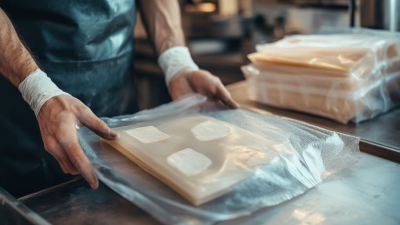
To utilize wax paper effectively, begin by selecting the right size for your food item. It’s essential to cut a piece of wax paper large enough to encase the food completely, creating a suitable seal. As highlighted by the Institute of Packaging Professionals, ensuring a tight wrap not only retains moisture but also protects the food from external contaminants. When wrapping, pay close attention to the corners and edges, folding them securely to minimize air exposure, which can lead to rancidity and flavor loss.
Additionally, avoid placing hot foods directly onto wax paper as it can compromise the integrity of the coating. Instead, allow food to cool down before wrapping. Research published in the Journal of Food Science indicates that proper food storage techniques, including the use of wax paper, can extend the life of perishable items by up to 50%. Thus, when applied correctly, wax paper wrapping can significantly enhance food storage practices and minimize waste in kitchens.
Comparing Wax Paper with Other Food Wrapping Materials: An Analysis
When considering food wrapping materials, wax paper stands out for its unique properties that make it a practical choice in both home kitchens and professional settings. Unlike plastic wrap, which can create a tight seal, wax paper offers a breathable option that prevents moisture buildup, making it ideal for wrapping items like sandwiches or baked goods that need a bit of air circulation. Its moisture-resistant nature ensures that oils and fats do not seep through, preserving the quality of the food. Additionally, the absence of a cling film means less risk of tearing while unwrapping, making it user-friendly for those who prefer a gentle touch when accessing their stored items.
When compared to alternatives such as aluminum foil, wax paper also presents several advantages. While aluminum foil provides excellent insulation and protection against light and air, it lacks the versatility that wax paper offers in terms of food storage and preparation. Wax paper can be used as a disposable surface for rolling dough and packing food without risk of contamination, which aluminum foil cannot achieve. Moreover, wax paper is compostable, whereas aluminum foil contributes to landfill waste and requires recycling programs to process effectively. Therefore, for those seeking an environmentally conscious option that still maintains food integrity, wax paper stands as a valuable alternative worth considering.
Industry Insights: The Environmental Impact of Wax Paper Products
Wax paper has garnered increased attention in discussions about sustainable food packaging solutions, especially given the modern consumer's focus on reducing plastic waste. According to a report by the Environmental Protection Agency (EPA), plastic packaging accounts for nearly 30% of the total municipal solid waste generated in the United States, highlighting an urgent need for alternatives. Wax paper, made from renewable resources, presents a biodegradable option that can significantly lessen environmental footprints when effectively utilized.
Additionally, a study by Smithers Pira indicates that the global market for sustainable packaging is projected to reach $500 billion by 2024, with wax paper contributing to this growth. Its compostable nature means that, unlike traditional plastic wraps, it not only helps keep food fresh but also breaks down naturally, posing far less risk to wildlife and ecosystems. The industry is seeing a shift towards materials that provide both functionality and environmental responsibility, heralding a new era of packaging that prioritizes sustainability without compromising on performance.
Best Practices for Storing Wax Paper and Ensuring Longevity
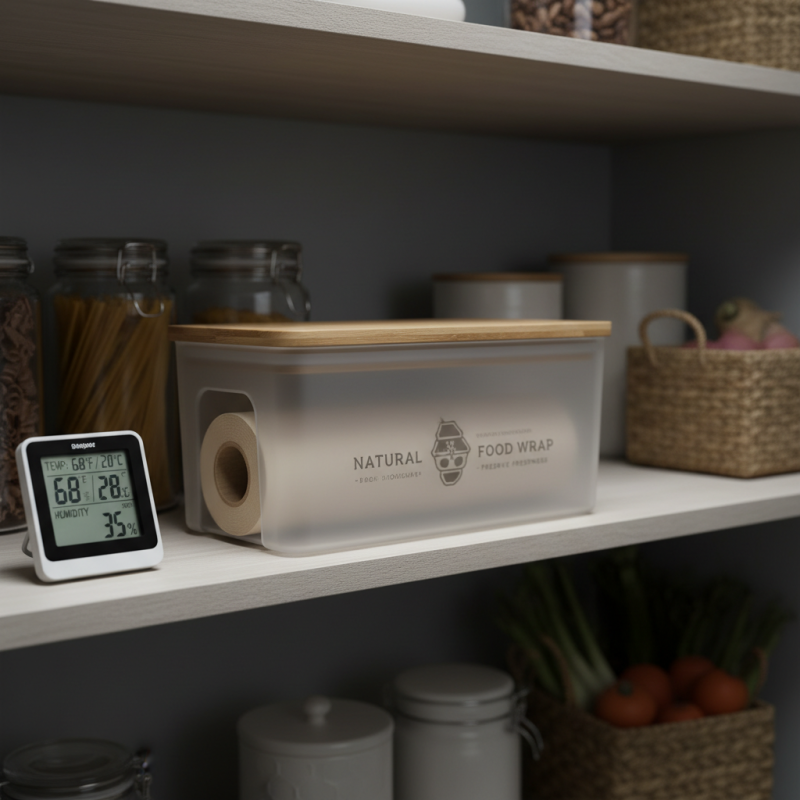
When it comes to using wax paper for food wrapping, proper storage is crucial to ensuring its longevity and effectiveness. According to industry reports, improper storage can lead to degradation of the wax coating, reducing its effectiveness as a moisture barrier. To maintain the quality of wax paper, it’s best to keep it in a cool, dry place, away from direct sunlight. Exposure to heat and humidity can cause the wax to melt or dissipate, making the paper less effective for food preservation.
Additionally, sealing the wax paper in a moisture-proof container can enhance its shelf life. A study from the Food Packaging Institute suggests that maintaining an airtight environment helps prevent exposure to elements that may cause the wax to deteriorate. It is also recommended to store wax paper away from strong odors, as it can absorb these, affecting the flavor of food wrapped in it. Simply following these best practices can significantly extend the usability of wax paper, ensuring its effectiveness in food storage and preservation for everyday use.
Innovative Uses of Wax Paper in the Kitchen: Beyond Food Wrapping
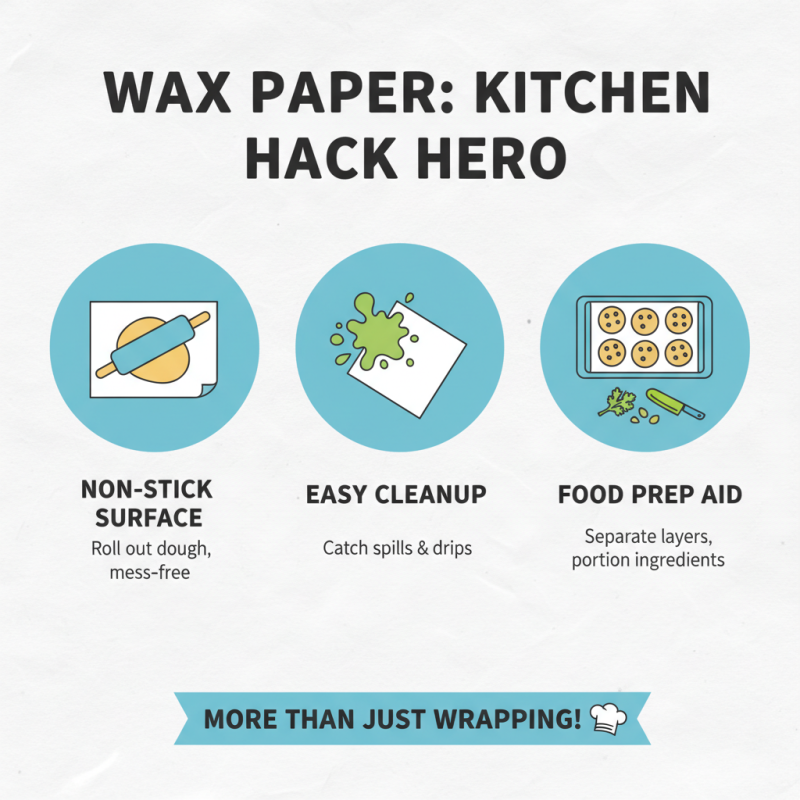
Wax paper is often seen solely as a tool for wrapping food, but its versatility extends far beyond that. In the kitchen, it can serve various innovative purposes. For instance, when preparing delicate pastries or working with sticky ingredients, placing a sheet of wax paper on your countertop can create a non-stick surface that simplifies the cleanup process. This practice allows bakers to roll out dough effortlessly while preventing it from sticking to the surface, making it an essential accessory for anyone passionate about baking.
Additionally, wax paper can be effectively utilized for organizing ingredients. By pre-measuring and placing spices, herbs, or other small items on wax sheets, cooks can keep their workstation tidy and ensure that they have everything they need within reach. This method not only helps in maintaining order during meal prep but also minimizes the chances of ingredient spills or mix-ups. Moreover, using wax paper to line baking trays can enhance the cooking experience by making clean-up a breeze while preventing food from sticking, showcasing its multifunctional capabilities in the culinary world.
The Ultimate Guide to Creative Uses for Printable Paper Doilies in Crafts and Decor
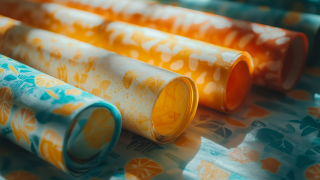
When it comes to crafting and decorating, printable paper doilies offer an elegant and versatile solution that can elevate your projects in numerous creative ways. These delicate paper pieces, traditionally used to enhance food presentation, can also serve as stunning accents in various DIY endeavors. From scrapbooking to home decor, their unique textures and patterns allow crafters to infuse a touch of sophistication into their work.
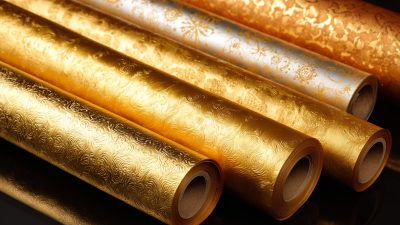
The raw material behind high-quality doilies is often food-grade natural wood pulp paper, ensuring safety and functionality. This type of paper not only readily absorbs moisture and oil, making it ideal for dining scenarios, but it can also be transformed into beautiful decorative elements. Custom printing options in different colors, including classic white or metallic designs like gold and silver, enable crafters to personalize their projects and align with their thematic preferences. Whether used as stencils for painting, layered in gift wrapping, or providing a charming base for candle displays, the applications are boundless.
Moreover, their lightweight nature ensures they can be easily adhered to various surfaces without adding unnecessary bulk. In crafting parties or family projects, they present an accessible way for everyone to contribute creatively, ensuring a memorable and enjoyable experience. By exploring the creative potential of printable paper doilies, you can discover endless ways to enhance your crafts and decor, turning simple projects into extraordinary pieces of art.
FAQS
: Wax paper is made by coating ordinary paper with a thin layer of wax, which gives it moisture-resistant properties.
Wax paper provides a barrier against moisture and air, helping to preserve the freshness of food items and extend their shelf life.
Wax paper is moisture-resistant, grease-proof, non-stick, and biodegradable, making it ideal for wrapping high-fat foods and an environmentally friendly option.
Wax paper is effective for wrapping items that require breathability, such as cheeses, fruits, and baked goods, as it allows moisture to escape while keeping the food fresh.
It is important to select the right size of wax paper to completely encase the food and ensure a tight wrap to protect against air exposure and external contaminants.
No, it is advised to allow food to cool down before wrapping it in wax paper to maintain the integrity of the coating.
Proper use of wax paper can extend the life of perishable items by minimizing exposure to external elements and reducing moisture buildup, which can lead to spoilage.
A tight wrap that securely folds corners and edges can retain moisture and protect food from rancidity and flavor loss, enhancing food storage practices.
Yes, wax paper is biodegradable and presents a more environmentally friendly option compared to plastic wraps, catering to the increasing demand for sustainable packaging solutions.
Conclusion
Wax paper food wrapping is a versatile and effective method for preserving food, offering numerous benefits in maintaining freshness and preventing spoilage. This article delves into the composition and properties of wax paper, highlighting its safety for food use and its role in food preservation. Optimal techniques for wrapping foods ensure maximum protection, while comparisons with other wrapping materials reveal its unique advantages.
Additionally, the environmental impact of wax paper products is discussed, providing insights into sustainable practices. Best practices for storing wax paper help extend its longevity, and innovative uses in the kitchen illustrate its practicality beyond mere food wrapping. By understanding these key aspects, consumers can make informed choices about using wax paper food wrapping to enhance their culinary experience while being mindful of the environment.




 Jimmy
 Eric