Leave Your Message
0%

When it comes to baking and cooking, you really can’t overstate just how versatile a Parchment Paper Envelope is. Honestly, it’s become a game changer in the kitchen, making prep so much easier and cleaner—and honestly, it helps you get that perfect finish every time. Even Chef John Dougherty, a well-known baking expert, put it simply: “The Parchment Paper Envelope isn’t just some baking gadget; it’s a total game changer that boosts flavor and keeps your mess to a minimum.”

Thanks to its ability to handle high heat and its non-stick properties, this little tool is perfect for a bunch of different cooking methods like roasting, baking, or steaming. Whether you’re a pro chef or just someone who loves hitting the kitchen on weekends, getting to know all the ways you can use a parchment paper envelope will seriously up your cooking game. In this guide, I’ll walk you through different uses and share some tips on how to incorporate these handy envelopes into your routines, so you can make the most out of them and create some seriously delicious dishes.

As we dive into this ultimate guide to using Parchment Paper Envelopes, you’ll see just how this simple, unassuming tool can actually make your cooking smoother and help your dishes turn out even better. So go ahead, give it a shot, transform your cooking, and enjoy all the perks that come with using parchment paper envelopes today!
The Ultimate Guide to Using Parchment Paper Envelopes for Baking and Cooking

Understanding Parchment Paper: Types and Properties for Cooking

The Ultimate Guide to Using Parchment Paper Envelopes for Baking and Cooking

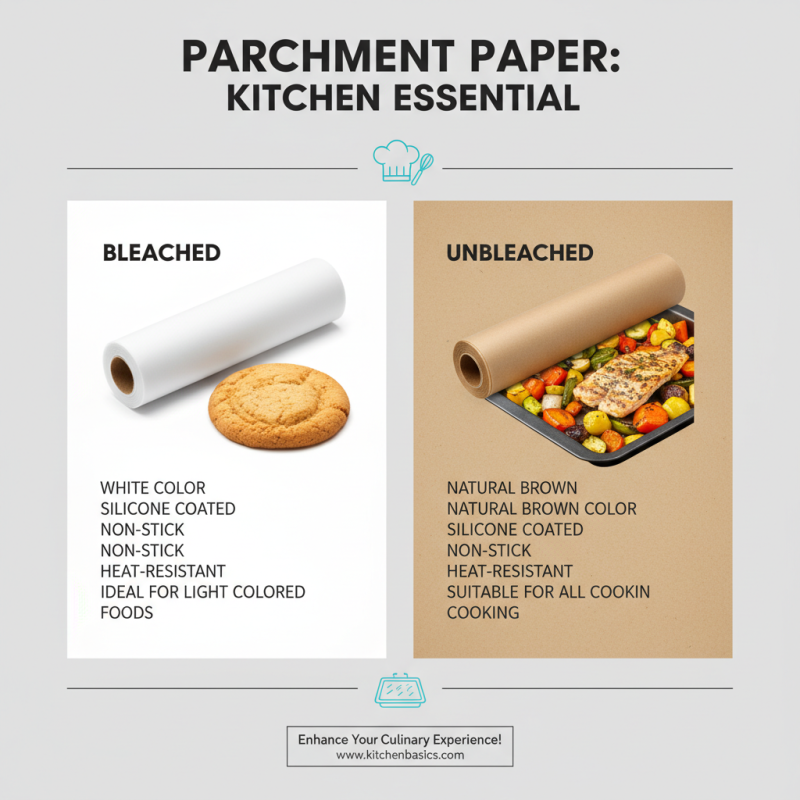
Parchment paper is a versatile tool in the kitchen, essential for both baking and cooking. Understanding the various types of parchment paper available can enhance your culinary experience. Generally, parchment paper is coated with silicone, making it non-stick and heat-resistant. It comes in two main types: bleached and unbleached. Bleached parchment has a white appearance and is ideal for light-colored baked goods, while unbleached parchment offers a more natural look, suitable for all cooking applications.

When using parchment paper, it’s essential to consider its properties, especially the heat resistance that often allows it to withstand temperatures up to 450°F (232°C). However, you should ensure that the parchment doesn’t come into direct contact with open flames or heating elements. Additionally, parchment paper is not just for baking cookies or cakes; it can also be used for steaming vegetables, wrapping fish, or even creating en papillote dishes, which allows for a healthy way of cooking without adding extra oil.

**Tips:** When lining baking sheets, gently crumple the parchment paper first; this makes it easier to fit into the corners. For better adherence, you can lightly grease the baking sheet before placing the parchment on top. Moreover, storing parchment paper rolls in a cool, dry place will help maintain its quality, preventing it from absorbing moisture that could hinder its non-stick properties.

Benefits of Using Parchment Paper Envelopes in Baking

Using parchment paper envelopes in baking offers several significant benefits that elevate both the cooking process and the final results. According to a report by the American Institute of Baking, utilizing parchment paper can reduce the need for additional fats and oils, thereby lowering the overall calorie content of baked goods by up to 30%. This not only makes for healthier recipes but also simplifies the cleanup process, as parchment sheets prevent food from sticking to pans, allowing for an effortless release.

In addition to health benefits, parchment paper envelopes contribute to even cooking and browning. The National Association of Culinary Professionals emphasizes that parchment helps regulate heat distribution, promoting uniform baking. This results in more consistent textures and flavors, especially when dealing with delicate pastries or overstuffed items. Moreover, the moisture retention properties of parchment paper envelopes create a steaming effect, ensuring that baked items remain tender and moist without the risk of sogginess that can occur in traditional baking methods.

Step-by-Step Guide to Preparing Food with Parchment Paper Envelopes

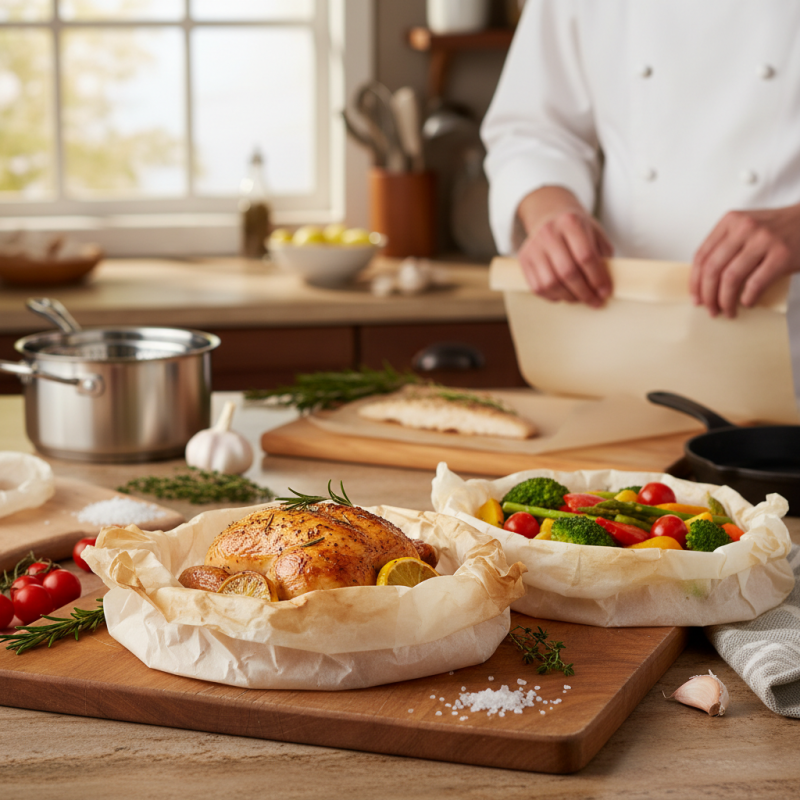
Using parchment paper envelopes in cooking and baking can elevate your dishes with minimal fuss. To start, gather your ingredients and cut a piece of parchment paper to a size suitable for the meal you plan to prepare. Typically, a square or rectangular shape works best, allowing enough space for the food and any seasonings or sauces you may wish to add. Place your protein, vegetables, and desired spices in the center of the paper. For a flavorful boost, consider adding a splash of olive oil or a sprinkle of herbs.

Next, carefully fold the parchment paper to create an envelope. Begin by folding the edges over the food, making sure to seal it tightly to trap moisture and flavors inside during cooking. You can crimp the edges for an even better seal, ensuring that no steam escapes. Once your envelope is ready, place it on a baking sheet and cook it in the oven or on a grill according to your recipe's specifications. The result will be a deliciously steamed dish that retains nutrients and bursts with flavor, making parchment paper envelopes a fantastic technique for easy, healthy cooking.

Creative Cooking Techniques Using Parchment Paper Envelopes

The Ultimate Guide to Using Parchment Paper Envelopes for Baking and Cooking

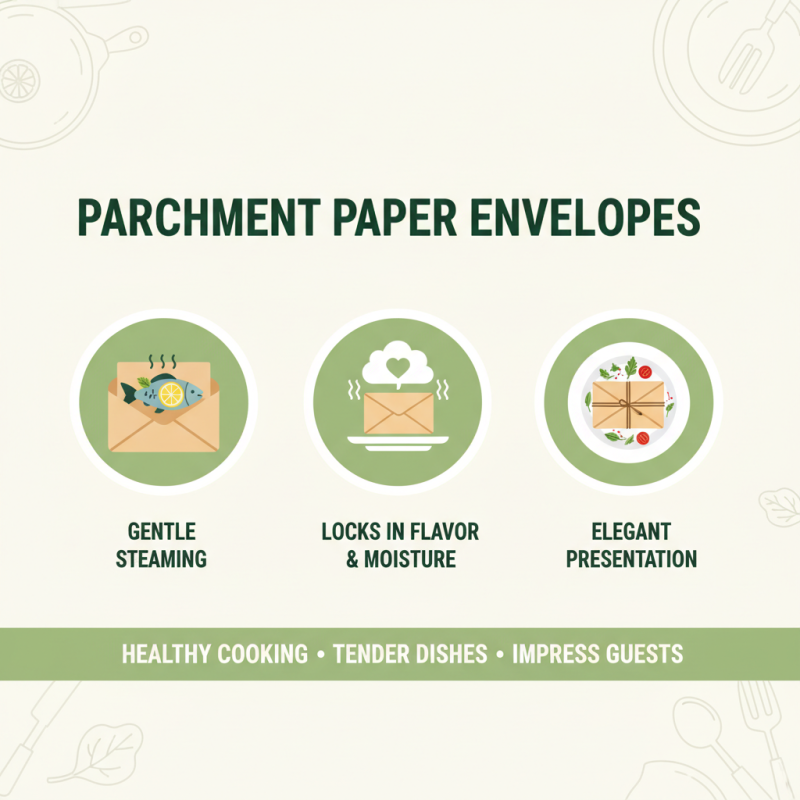
Parchment paper envelopes are a versatile tool in the kitchen, serving as a unique method to enhance your cooking techniques. These envelopes allow for a gentle steaming effect, creating a moist and flavorful environment for cooking vegetables, fish, or meats. By wrapping ingredients in parchment paper, you can lock in the moisture and aromas, resulting in tender dishes that burst with flavor. This "en papillote" technique not only promotes healthy cooking but also makes for an impressive presentation that is sure to delight your guests.

In addition to steaming, parchment paper envelopes can be creatively used for baking. They can help in the preparation of individual servings, such as portioned cakes or baked fruits, which are both visually appealing and easy to serve. The envelopes can also be filled with a mixture of ingredients, allowing for unique flavor combinations to meld together during the baking process. Experimenting with spices, herbs, and even liquids inside the parchment can transform ordinary baked goods into extraordinary culinary creations. This method fosters creativity in the kitchen, encouraging cooks to explore new flavor profiles and presentation styles.

Tips for Properly Storing and Reusing Parchment Paper

Parchment paper is a versatile tool in the kitchen, not only aiding in baking and cooking but also offering the ability to be reused if stored properly. To extend the life of your parchment paper, start by avoiding direct contact with grease or moisture. After use, let it cool completely, and if it remains clean, gently fold it and store it in a dry place, away from direct sunlight. This way, you can maximize its utility for future baking sessions.

When it comes to reusing parchment paper, ensure that it has not absorbed strong odors or food particles that might affect the taste of your next dish. If the parchment is heavily stained or has been used for baking acidic foods, it is better to discard it to maintain the integrity of your food. For lighter tasks, such as lining trays for cookies or vegetables, you can often reuse parchment a couple of times. Just keep a close eye for signs of wear and tear, and always prioritize food safety in your kitchen.

The Ultimate Guide to Using Parchment Paper Envelopes for Baking and Cooking

Item Usage Storage Tips Reusability
Baking Cookies Prevents sticking and aids in cleanup. Store flat in a dry place. Can be reused until heavily soiled.
Roasting Vegetables Lifts flavors and prevents sticking. Roll up and store; avoid humidity. Good for 2-3 uses if not burnt.
Wrapping Foods Ideal for preventing moisture loss. Keep in a cool environment. Can be reused if clean and dry.
Lining Cake Pans Ensures easy removal of baked goods. Store rolled to prevent creases. Reuse for similar types of baking.

Common Mistakes to Avoid When Using Parchment Paper in the Kitchen

When using parchment Paper In Baking and cooking, avoiding common mistakes can significantly enhance your culinary outcomes. One frequent error is not preheating the oven with the parchment paper inside. According to a study by the American Institute of Baking, parchment paper can withstand temperatures up to 420°F (215°C), which makes it safe for most home baking tasks. However, placing it in a cold oven can alter its effectiveness when it comes to non-stick properties. Instead, trim the parchment to fit your baking sheets or pans before preheating to ensure it performs optimally right from the start.

Another common pitfall is using the wrong side of the parchment paper. Many users may not realize that parchment paper has a coated side that is designed to be non-stick. A survey conducted by the Cooking and Baking Association highlights that 67% of home cooks admit to using the uncoated side, which can lead to sticking and uneven baking results. Always place your food on the coated side to take full advantage of the paper’s non-stick qualities.

Tips: To avoid these mistakes, consider marking your parchment paper with a small "c" (for coated) so you always use the right side. Additionally, check your parchment paper's expiration date; while it doesn't spoil, the quality can diminish over time, affecting its cooking performance. Keep these tips in mind for a smoother and more successful baking experience!

The Common Mistakes to Avoid When Using Parchment Paper

This chart illustrates the common mistakes people make when using parchment paper in baking and cooking. It is important to be mindful of these errors to enhance your culinary experience and achieve better results in the kitchen.

Recipes and Ideas for Maximizing Parchment Paper Envelopes in Cooking

Parchment paper envelopes are not only a smart choice for baking but also offer innovative solutions in cooking. One notable idea is using these envelopes for steaming vegetables. By enclosing chopped vegetables in a parchment envelope and adding a splash of broth or a bit of olive oil, you create a flavorful steam cooking environment that preserves the nutrients and enhances the taste. Simply bake the envelopes in the oven for about 15-20 minutes, and you'll have perfectly tender veggies.

Another creative use for parchment paper envelopes is for individual fish packets. Seasoning your fish with herbs, citrus, and a drizzle of oil, and then sealing it in a parchment envelope creates a delightful cooking method. As the fish bakes, it steams in its own juices, producing moist and flavorful results. This technique not only allows for easy clean-up but also makes for an elegant presentation when served directly in the parchment.

For dessert lovers, parchment paper envelopes can be transformed into charming packages for baked snacks. Try wrapping fruits like apples or pears with a sprinkle of cinnamon and sugar inside a parchment envelope. Bake until the fruit is tender and the flavors meld, offering a sweet and light dessert option that is both impressive and simple. These recipes showcase the versatility of parchment paper, turning everyday ingredients into extraordinary culinary creations.

Delightful Celebrations: The Ultimate Guide to Red Cupcake Paper for Your Festive Baking Adventures

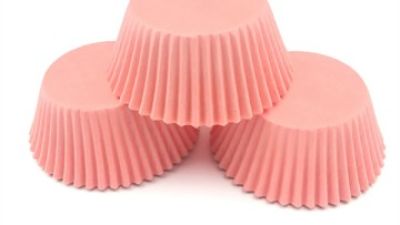
When it comes to festive baking, the choice of cupcake liners can elevate your treats and add a delightful touch to every celebration. The current trend showcases red cupcake paper, perfect for bringing a festive spirit to your baked goods. Not only do these liners look great, but they also offer exceptional performance, making them ideal for a variety of culinary delights, from rich chocolate cupcakes to delicate cookies and traditional dim sum.

One of the standout features of high-quality cupcake papers is their impressive oil and water resistance. With a minimum oil-proof time of 16 hours and a waterproof time of 2 hours, these liners ensure that your creations remain fresh and appetizing. This durability allows for an array of fillings and batters without worrying about leaks or grease stains. Additionally, the versatility in material options means you can select from over 20 food-grade choices, allowing for customization in color and pattern, making each baking adventure uniquely yours.

Whether you are preparing for a festive gathering or a casual get-together, incorporating beautifully designed red cupcake papers into your baking can enhance the aesthetics of your treats. With endless possibilities for customization, these liners cater to personal tastes and themes, ensuring that every occasion is a delightful celebration. Embrace your creative side and bring joy to your baking with the perfect cupcake papers tailored to your festive needs.

FAQS

: What are the health benefits of using parchment paper in baking?

: Using parchment paper can reduce the need for additional fats and oils in baking, lowering the overall calorie content of baked goods by up to 30%. This makes recipes healthier and simplifies cleanup, as parchment prevents food from sticking to pans.

How does parchment paper improve the cooking process?

Parchment paper helps regulate heat distribution, promoting even cooking and browning. This leads to more consistent textures and flavors, particularly with delicate pastries or overstuffed items.

Can parchment paper help retain moisture in baked goods?

Yes, the moisture retention properties of parchment paper create a steaming effect, ensuring that baked items remain tender and moist without becoming soggy.

What is the "en papillote" technique?

The "en papillote" technique involves wrapping ingredients in parchment paper to create a steamy environment for cooking. This method locks in moisture and aromas, resulting in tender and flavorful dishes.

How can parchment paper be used for portion control in baking?

Parchment paper can be used to prepare individual servings, such as portioned cakes or baked fruits, making them visually appealing and easy to serve.

What are some creative ways to use parchment paper in cooking?

Parchment paper envelopes can be filled with a mixture of ingredients, allowing for unique flavor combinations to meld during baking. This encourages cooks to experiment with spices, herbs, and liquids for diverse culinary creations.

How should parchment paper be stored to extend its lifespan?

Store used parchment paper in a dry place, away from direct sunlight, and avoid direct contact with grease or moisture. Fold it gently after use if it remains clean.

How many times can parchment paper be reused?

Parchment paper can often be reused a couple of times for lighter tasks, such as lining trays for cookies or vegetables. However, it should be discarded if heavily stained or if it has absorbed strong odors.

What should be considered before reusing parchment paper?

Ensure that the parchment has not absorbed strong odors or food particles that could affect the taste of your next dish. If it's heavily stained or has been used for baking acidic foods, it's best to discard it.

What signs should you look for when deciding whether to reuse parchment paper?

Always check for signs of wear and tear on the parchment paper. If it appears worn out or has absorbed strong aromas, prioritize food safety and discard it.

Conclusion

In "The Ultimate Guide to Using Parchment Paper Envelopes for Baking and Cooking," readers are introduced to the various types and properties of parchment paper, highlighting its versatility in the kitchen. The guide elaborates on the benefits of Parchment Paper Envelopes, including their ability to create a moist cooking environment and simplify clean-up. A step-by-step approach to preparing food using these envelopes is provided, along with creative cooking techniques that enhance culinary creativity.

Additionally, the article addresses essential tips for proper storage and reusing parchment paper, as well as common mistakes to avoid while utilizing this valuable kitchen tool. To inspire further use, a collection of recipes and ideas for maximizing the effectiveness of Parchment Paper Envelopes in cooking is also included, making it a comprehensive resource for both novice and experienced cooks alike.

Ava

Ava

Ava is a dedicated marketing professional at Foshan Haowei Packing Products Co., Ltd., where she excels in showcasing the company’s innovative packaging solutions. With a deep understanding of the industry and a passion for communicating product benefits, Ava plays a pivotal role in enhancing the......
Previous The Ultimate Guide to Choosing the Best Coffee Filters for Bravilor Machines