Lately, there's been a real push towards eco-friendly options in the food packaging world. I mean, did you know that the global market for sustainable food packaging is expected to hit around $700 billion by 2027? That's pretty wild! Especially when you look at Wrapping Food Paper — people are really leaning toward biodegradable and recyclable materials instead of the usual plastic wraps. And Foshan Hopewell Packing Products Manufacturing Co., Ltd. is right there in the mix, leading the charge with innovative solutions that not only tick all the environmental boxes but also make life easier for consumers.
With over 54 years of经验, they've built up a solid reputation, backed by plenty of certifications and a strong supply chain, to offer a wide range of wrapping products for markets both near and far. As we dive into what makes Wrapping Food Paper so special, our goal is to encourage kitchens everywhere to go more sustainable—without sacrificing quality or convenience. It’s all about making small changes that add up, right?
The Environmental Impact of Traditional Food Wrapping Options
Switching from traditional food wraps to eco-friendly alternatives is a pretty big deal if we wanna cut down our impact on the environment. You know, those old-school plastics? They do a number on wildlife and ecosystems, creating lots of pollution. As more of us start realizing how harmful this stuff really is, there's definitely a growing buzz around sustainable options that cut down waste and are easier to recycle. Things like bamboo, recycled paper, and plant-based films are popping up as solid choices—they protect your food just as well but are way kinder to the planet.
Some Tips for Eco-Friendly Food Wrapping:
- Go for Reusable Wraps: Things like beeswax or silicone wraps are awesome because you can wash them and use them over and over, which is a huge win for reducing single-use plastics.
- Pick Sustainable Materials: Whenever possible, grab packaging made from recycled paper or bamboo. They’re biodegradable and often sustainably sourced, so you’re doing your part.
- Get Creative with DIY Options: Why not try making your own wraps at home using organic cotton and beeswax? It’s fun, personal, and it seriously cuts down on waste.
By giving these eco-friendly habits a shot, we can all help build a more sustainable future—and honestly, you’ll probably feel pretty good about the food stored in these smarter wraps too.
The Rise of Eco-Friendly Food Wrapping Materials in Consumer Trends
Lately, there's been a pretty clear upward trend when it comes to eco-friendly food wrappers. More and more folks want sustainable options in their daily routines, and that’s driving the shift. I read a recent report from Grand View Research, and it says the global market for eco-friendly packaging could hit around $800 billion by 2027. That’s huge! It’s growing at a rate of over 5% each year, which shows how much people are caring about reducing plastic waste and carbon footprints. Basically, consumers are changing their minds, leaning toward products that are kinder to the planet — and food wrapping is no exception.
At Foshan Hopewell Packing Products Manufacturing Co., Ltd., we totally get this shift, and we’ve been committed to creating smart, eco-friendly packaging solutions for more than 54 years. We offer a broad range of sustainable stuff — from biodegradable films to reusable wraps — all designed to meet what the market wants right now, plus making sure we follow both local and international environmental standards. This isn’t just good for the planet; it helps brands boost their credibility in the eco-conscious world we're all moving into. As things keep changing, it’s pretty clear that sustainable food wrapping is going to be a key part of packaging strategies everywhere — it’s just the way things are headed.
Comparative Analysis: Biodegradable vs. Conventional Food Wraps
Nowadays, picking the right food wrap isn’t just about keeping your food fresh — it’s also about doing your part for the environment. If you take a quick look, you'll notice there’s a big difference between biodegradable wraps and the standard ones. Biodegradable wraps, usually made from plant-based stuff, break down naturally in nature. That means less plastic waste piling up and hurting our wildlife. On the other hand, regular wraps, mostly made from polyethylene, can stick around for hundreds of years, adding to the pollution problem we already have.
At Foshan Hopewell Packing Products Manufacturing Co., Ltd., we’re all about eco-friendly solutions. With more than 54 years under our belt and a solid supply chain, we provide a wide range of high-quality biodegradable food wraps that can help make your kitchen more sustainable — without sacrificing ease or performance.
When you're choosing food wraps, here are a few tips: First off, think about what you're using it for. If it’s for short-term storage, biodegradable wraps are great, but for things that need a longer shelf life, conventional wraps might still be the way to go. Also, double-check for certifications — they’ll tell you if the product really meets environmental standards. And finally, try to reuse and recycle whenever you can. It’s an easy way to cut down waste, keep your food fresh, and help look after the planet — all at the same time.
Unlocking the Secrets of Wrapping Food Paper: Eco-Friendly Options for Every Kitchen
| Type of Food Wrap | Material | Biodegradability | Compostable | Reusability | Plastic-Free |
| Beeswax Wrap | Cotton infused with beeswax | Yes | Yes | Yes (reusable for up to a year) | Yes |
| Silicone Food Cover | Silicone | No (not biodegradable) | No | Yes (very durable) | Yes |
|
Paper Wrap (Unbleached) | Unbleached kraft paper | Yes | Yes | No | Yes |
| Cling Film (Biodegradable) | PLA (Polylactic Acid) | Yes | Yes | No | No |
| Aluminum Foil | Aluminum | No | No | No | No |
Innovative Plant-Based Alternatives to Plastic Food Wraps
Lately, there's been a real buzz around eco-friendly solutions in the kitchen, especially when it comes to replacing traditional plastic food wraps with more innovative plant-based options. These greener choices don't just help the planet—they actually work pretty well for keeping your food fresh, too. Think things like beeswax, rice paper, or plant starch wraps. They’re biodegradable, sustainable, and seem to be a hit with folks looking for environmentally friendly products in their cooking and storage routines.
Here at Foshan Hopewell Packing Products Manufacturing Co., Ltd., we totally get how important it is to stay ahead of these trends. With over 54 years in the game, our team is all about helping businesses switch to eco-packaging solutions that are better for the planet. Thanks to our solid network of certifications and a steady supply of raw materials, we’re able to provide top-notch plant-based food wraps. Not only does this help our customers grab more market share, but it also keeps them aligned with the global push for more sustainable food storage and preservation methods.
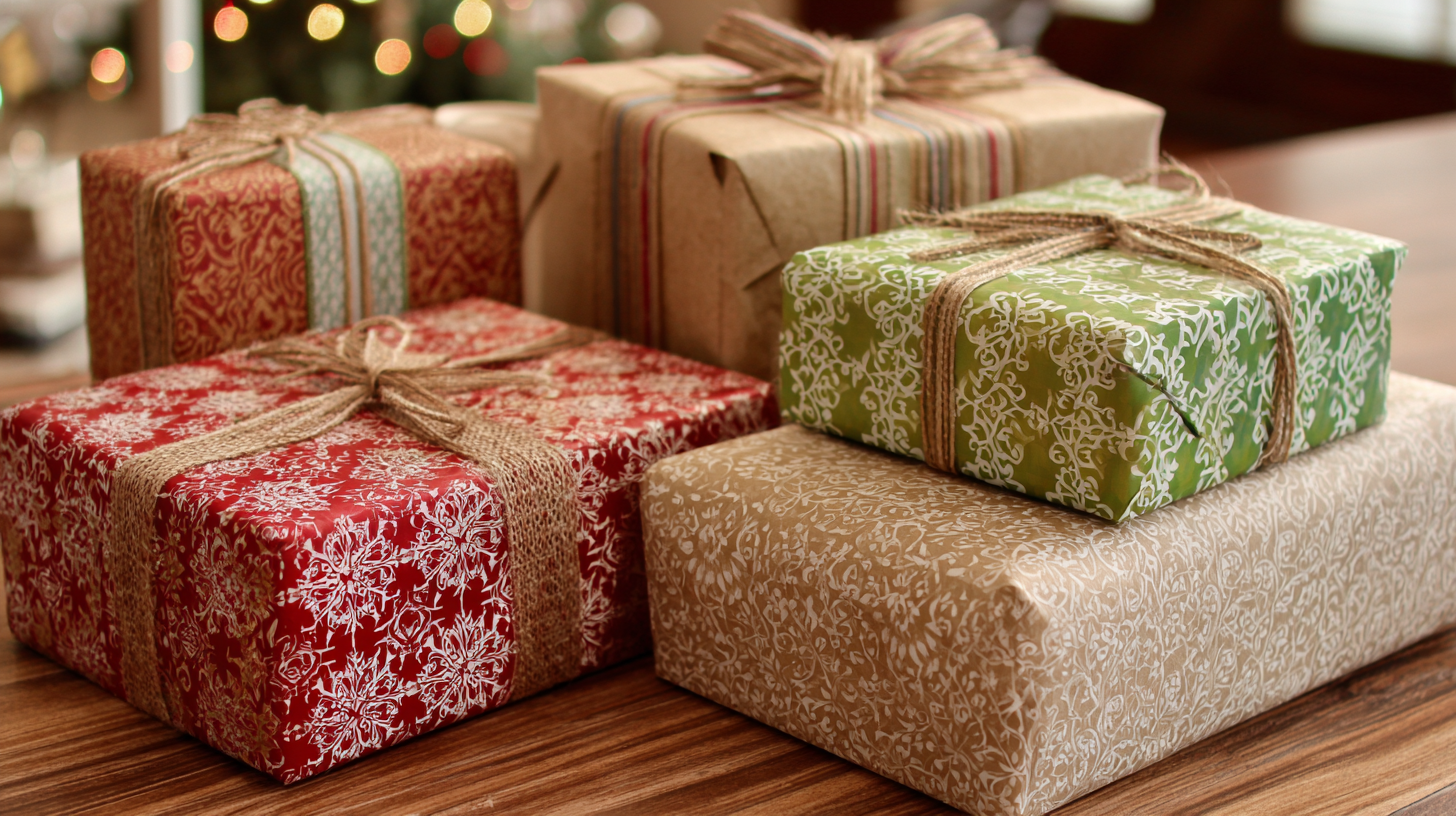
Regulatory Changes Influencing Sustainable Packaging in Kitchens
Lately, there’s been a bunch of new rules and regulations that are really shaking up how we think about sustainable packaging in our kitchens. It’s kind of crazy but exciting—manufacturers and us folks just like you and me are rethinking what’s best when it comes to packaging. Did you know that a report from Smithers Pira predicts the global market for biodegradable and compostable packaging will hit around $41 billion by 2027? That’s mainly because governments everywhere are cracking down on single-use plastics or pushing for greener options. It's definitely changing the game when it comes to food packaging, making it more eco-friendly.
With all these shifts happening, switching to more sustainable practices in your own kitchen isn’t just some passing trend—it’s pretty much a must now. For starters, you might wanna consider swapping out plastic wrap for beeswax wraps or those plant-based food covers—they’re a lot better for the planet. Also, using reusable containers instead of disposable ones can make a huge difference in reducing trash. And get this—according to the Natural Resources Defense Council, an average American family could save over $1,500 a year just by cutting down on food waste. Bonus—it’s good for your wallet and the environment.
As more people start choosing eco-friendly options, manufacturers are stepping up their game, coming out with all sorts of innovative products that align with this greener mindset. It’s useful to keep an eye on trends like zero-waste packaging and refillable systems—these can help you make smarter choices that are better for your kitchen and for our planet too.
Cost-Effectiveness of Switching to Eco-Friendly Food Wrapping Solutions
Switching to eco-friendly food wraps isn’t just a smart move for the planet—it can really save you some money too. You know, those traditional plastic wraps can add up quickly, and they’re just throwing more waste into the environment. On the flip side, options like beeswax wraps, silicone covers, or reusable fabric wraps are actually pretty long-lasting and can be reused over and over again. It might seem like the upfront cost is higher, but when you think about how durable they are and how many times you can reuse them, it ends up saving you money in the long run. For example, one beeswax wrap can replace dozens of plastic wrap rolls—that’s a lot of waste and expense avoided, right?
Plus, as more people jump on the eco-friendly train, prices for these kinds of wraps are coming down. There are often deals when buying in bulk, which is a real bonus if you’re feeding a family or just want to stock up. Choosing these sustainable options isn’t just good for the environment—it also supports small local businesses making innovative products. In the end, making the switch means a healthier kitchen and fewer costs on food storage down the line. It’s a win-win all around.
FAQS
: Biodegradable wraps are made from plant-based materials and break down naturally in the environment, reducing plastic waste and damage to wildlife, while conventional wraps are typically made from polyethylene and can take hundreds of years to decompose.
Biodegradable food wraps support sustainability by reducing environmental impact, minimizing plastic waste, and promoting healthier ecosystems.
Consider the intended use of the wrap, check for certifications that ensure environmental compliance, and aim to reuse and recycle whenever possible to minimize waste.
Common materials include beeswax, rice paper, and plant starch, which provide biodegradable alternatives to traditional plastic wraps.
Recent regulations are pushing manufacturers and consumers to switch to eco-friendly packaging, with markets for biodegradable and compostable materials expected to grow significantly due to these changes.
The Natural Resources Defense Council estimates that an average American family could save over $1,500 annually by reducing food waste, supporting both economic and ecological sustainability.
By choosing food wraps made from beeswax or plant-based materials instead of plastic wraps, and by using reusable containers for food storage.
They have over 54 years of experience and aim to support customers in transitioning to sustainable practices while ensuring high-quality products.
The global market for biodegradable and compostable packaging is expected to reach $41 billion by 2027, driven by strict environmental policies.
Keeping an eye on trends like zero-waste packaging and refillable systems will enable consumers to make informed choices that benefit their kitchens and the planet.
Conclusion
Have you ever thought about how much impact traditional food wraps have on our environment? In the article 'Unlocking the Secrets of Wrapping Food Paper: Eco-Friendly Options for Every Kitchen,' they dive into just that. It’s pretty interesting to see how more and more people are leaning towards eco-friendly choices. As folks become more conscious about sustainability, biodegradable options—especially those plant-based ones—are really giving conventional plastic wraps a run for their money. Plus, with new regulations pushing for greener packaging, those eco-friendly wraps are getting easier and more appealing for us at home to use.
With over 54 years in the business, Foshan Hopewell Packing Products Manufacturing Co., Ltd. really knows their stuff. They’re in a great position to offer a variety of eco-friendly food wrapping solutions that you can count on. Thanks to a steady supply chain for raw materials and compliance with both local and international certifications, HOPE WELL helps brands and households quickly switch to greener options and make their sustainability efforts stronger.





 Jimmy
 Eric
